

Mapping Public Attitudes Toward Psychedelics: Insight from the RAND Study
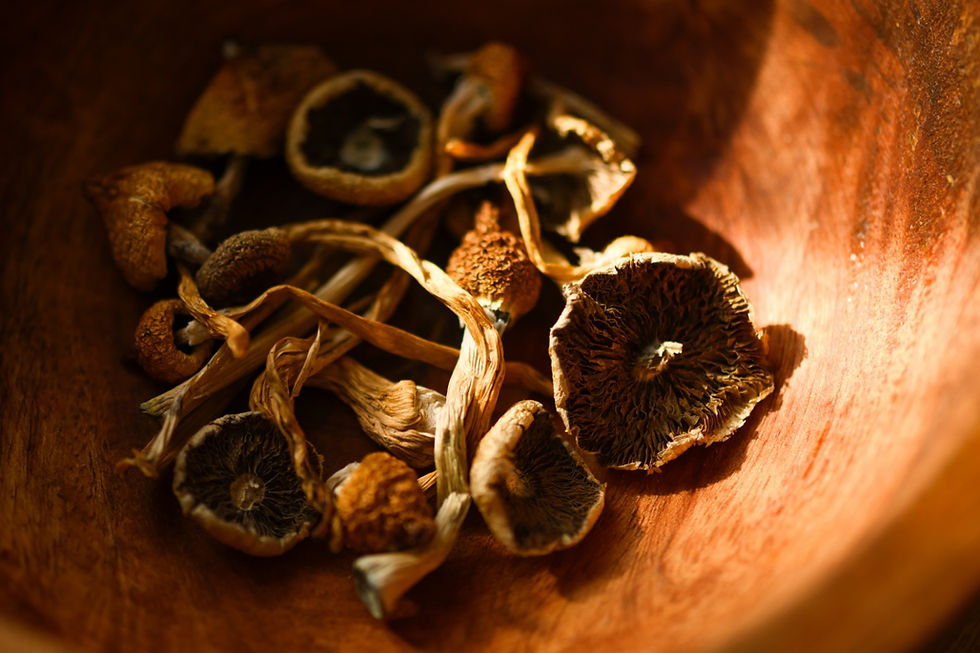
Written by Sam Tomlinson interviewing Beau Kilmer
The use of psychedelics is on the rise in the US. Substances like psilocybin, MDMA, LSD and ibogaine are consumed at different doses for a range of reasons. Clinical evidence suggests that high-dose therapy sessions may be a highly effective treatment for some mental health disorders, while microdosing is reported to improve mood, focus, and creativity. The most popular psychedelic, psilocybin, was used by 11 million US adults last year, and the aggregated number of days psychedelics were consumed was around 220 million. The inexorable growth of psychedelic consumers and research alike raises a pressing question:
Could psychedelics be legalised in the foreseeable future?
Psychedelic drug policy has undergone rapid changes in the US over the past 10 years. Although they remain prohibited under federal law, roughly 30 different localities have deprioritised enforcing psychedelic laws.
Businesses exploit this grey area; it is not uncommon for storefronts and delivery services to offer psilocybin mushrooms as “gifts”, as seen in Washington, DC, after the deprioritisation ballot initiative (81) of 2020. There have also been three major state-level changes. The Oregon Psilocybin Services Act (2020) permits the use of psilocybin at state-licensed service centres, such as wellness retreats, for those over 21. It also grants the Oregon Health Authority jurisdiction to license and regulate the supply chain, including psilocybin manufacturers, laboratory testing facilities, and service providers, which have been active since 2023. Colorado’s 2022 National Medicine Health Act established something similar with their Natural Medicines Access Program, which additionally included the legalisation of possession, consumption, growth and non-transactional sharing of psychedelics, including psilocybin, DMT and ibogaine. The state also issued their first healing centre business license in 2025. Finally, the New Mexico Senate Bill (2025) will oversee the establishment of psilocybin medical and research programmes for patients with PTSD, treatment-resistant depression, and substance use disorders.
The RAND Study: Public Opinion of Legalising Psychedelics
In 2025, RAND, a nonprofit global policy research organisation, conducted a study on the 'Public Opinion of Legalising Psychedelics' in the US. This study is one of the largest probability-based, nationally-representative surveys on US drug policy preferences. 10,122 AmeriSpeak panellists completed the online survey, providing validated responses on which psychedelic substances should be allowed and for what reasons, and how they should be supplied. RAND’s study is also the first to ask about specific substances, rather than psychedelics as a general class. These more granular questions were included to yield more meaningful and accurate appraisals of the population"s preferences that previous surveys may have masked.
The first question asked was “Do you think the use of X should be legal, or not?” The psychedelics included were psilocybin mushrooms, LSD and MDMA. Psilocybin had the most public support (23%), followed by LSD (10%) and MDMA (9%). Panellists showed greater ambivalence toward psilocybin, with more people selecting “not sure” for the substance compared to LSD and MDMA. When asked for which reasons psychedelics should be legal, the most supported rationale for every substance was “to address a mental and physical health condition”. A significant number of panellists selected “none, all uses should be illegal” - 55% for MDMA, 53% for LSD, and 39% for psilocybin. Panellists were also asked how psychedelics should be distributed. They were presented with a range of supply models. More panelists supported every available option for psilocybin than for LSD or MDMA. For all three substances, “via medical facility” was the most endorsed supply model, followed by “access by prescription” and through a “retreat or wellness centre”.

How the Public Perceives Psychedelics
Based on this polling, psilocybin is evidently the most popular psychedelic. This may be because it lacks the social stigma of LSD and MDMA. LSD has a strong association with the 1960s counterculture, exacerbated by reckless figures like Timothy Leary, and was consequently portrayed by the media as socially destabilising. MDMA developed a negative public reputation via its ties to 80s rave culture and accompanying media panic over neurotoxicity and brain damage. Psilocybin avoided many of these controversies, which is one of the reasons it became the focal point of the psychedelic research revival at Johns Hopkins University. Consequently, psilocybin dominates modern psychedelic discourse, and high-profile clinical trials for depression and addiction are covered by major media outlets. Furthermore, the public perceives psilocybin mushrooms as a naturally occurring substance, which is received more favourably than synthetic laboratory drugs (such as LSD or MDMA). This is known as the 'Naturalness Bias' in risk perception.
The rationale afforded most support for the legalisation and supply of psychedelics is treating mental or physical health conditions. This is underscored by other studies showing that Americans exposed to knowledge of the renewed clinical research demonstrate greater support for pro-psychedelic policies. Notably, although these substances foreground cultural discussions around mental health, American awareness of psychedelics remains limited. For example, only 3 in 10 Americans reported exposure to media coverage on psychedelics in the last 90 days. Therefore, it is clear that one of the most effective ways to increase public support for psychedelics is to relay the therapeutic benefits of these substances, to the general public.
The Future of Psychedelic Reform
As of 2025, roughly one-quarter of US adults support the legal use of psilocybin mushrooms. This level of backing resembles public attitudes towards marijuana legalisation observed in Gallup’s policy surveys from 1978 to 1995. In 1996, California became the first state to legalise medical cannabis, and public support greatly accelerated soon after. This comparison raises the possibility that psilocybin mushrooms could follow a similar trajectory. However, as discussed in the RAND report, the rise in support for marijuana from 1995 to 2016 rose in parallel with advocacy for same-sex marriage. Therefore, this trajectory may have been predicated on broader shifts toward social liberalism, rather than issue-specific policy attitudes. If these wider political currents are absent, the direction of drug decriminalisation may not replicate.
Drug Science interviewed a co-author of the study, Beau Kilmer, about the current state of psychedelic policy. Commenting on tensions between state reforms and federal prohibition, he warned that overzealous programmes implemented at the state level could generate political resistance. “If some of these states go too far ahead, and they get this wrong, that could potentially create a backlash that could hamper some of the clinical research,” he said. Kilmer noted that negative media coverage, particularly if minors gain access to psychedelics, could trigger renewed drug panics and even galvanise federal intervention. He also suggested that the UK should begin collecting more detailed data on psychedelic use, including frequency of use, quantities consumed, experiences, and the financial dynamics of specific psychedelics in general population surveys.
Lessons for the UK
The evidence from the United States suggests that public support for psychedelic policy reform is strongest when psychedelics are presented as legitimate medical treatments. This is mirrored in the United Kingdom. While general awareness of psychedelic research in the UK remains limited, exposure to information about their therapeutic applications appears to increase support for policy reform. For example, in a national YouGov poll of 1,763 UK adults, 55% said they would support relaxing research restrictions into the medical use of psilocybin‑assisted therapies. Notably, respondents who were informed about psilocybin-assisted therapy in countries such as Canada were even more likely to favour changes to psychedelic laws. These findings indicate that, similar to the US, public attitudes toward psychedelic policy are closely linked to knowledge of clinical research, and that increasing the awareness of the safety and efficacy of therapeutic psychedelics could play a significant role in influencing the trajectory of reform in the UK.